
Surrogacy, Parenthood and Healthy BMI
Surrogacy is just not an option but it is a significant life-changing process for both the intended parents and the surrogate mother. A surrogate mother make a decision to become a surrogate with an intention of delivering a child to another family and adding an invaluable gift to parenthood to their life. As we know, becoming a mother or the journey of pregnancy is not the same for everyone as it comes with various responsibilities and risks. One of the most crucial aspects is maintaining a healthy Body Mass Index (BMI).
What is BMI?
Body Mass Index commonly known as BMI is a measurement of body fat based on the weight of the person in relation to their height. It helps in assessing whether an individual is of normal weight or comes under the category of underweight, overweight, or obese. A healthy BMI generally falls within the range of 18.5 to 24.9 which is quite accurate for ensuring that overall health is good for becoming a surrogate mother. This number can be an important factor in determining the overall health and well-being of a surrogate mother.
How to Calculate BMI
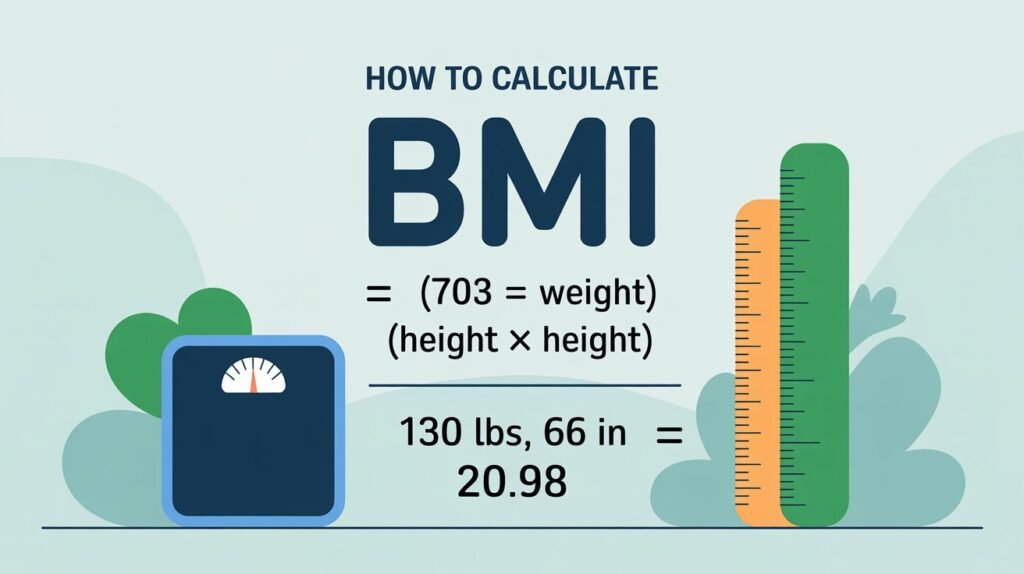
The only pieces of information you need to calculate your BMI are your height (in inches) and weight (in pounds) – and maybe a calculator. The formula is simple:
BMI= (703 x weight in pounds)/(height in inches x height in inches)
For a person weighing 130 pounds and measuring 5 feet 6 inches in height, the calculation would look like this:
BMI= (703 X 130)/(66 X 66)= (91,390)/(4,356)= 20.98
There are also resources available online to calculate your BMI without reliving your seventh-grade math class, like this BMI Calculator from the Centers for Disease Control and Prevention.
Why is a Healthy BMI Crucial for Surrogacy?
- Pregnancy Health and Well-being
- Reducing Risks of Complications
- Increased Fertility Success
- Long-Term Health Impact
- Emotional and Physical Well-being
1. Pregnancy Health and Well-being:
- if you want to be a surrogate, it is important for you to maintain a healthy BMI as it directly affects the mother during pregnancy. If you are overweight or underweight, it is a problematic situation for you as you need to keep your weight adequate for having a healthy pregnancy.
- If you are overweight or come in the category of obese, you have a higher chance of facing risks of complications such as preeclampsia, gestational diabetes, hypertension, and preterm birth. On the other hand, if you are underweight, you may find it difficult to sustain a healthy pregnancy or may be prone to a higher risk of low birth weight babies. Thus, it is important for surrogate mothers to opt for optimal conditions so that child’s growth and development can take place rightly.
A healthy BMI helps ensure that the body is in the best possible shape to carry a pregnancy safely to term.
2. Reducing Risks of Complications:
As per the research, if you fall outside the set standard of BMI with respect to your health, your likelihood of having complications in pregnancy is high. For instance-
Overweight or Obese Surrogates:
Surrogates experiencing higher BMI due to overweight experience or prone to severe symptoms related to pregnancy such as gestational diabetes, hypertension, and more challenging labor and delivery processes.
Underweight Surrogates:
Being underweight also increases the risks of various aspects such as nutritional deficiencies, poor uterine health, low energy levels, etc. interfering with the progression of pregnancy among women.
A healthy BMI minimizes the risk of these complications, ensuring that both the surrogate and the baby remain as healthy as possible throughout the pregnancy.
3. Increased Fertility Success:
Surrogacy often involves fertility treatments like in vitro fertilization (IVF). A surrogate mother’s BMI plays an important role in fertility and the success of these treatments. Women with a BMI in the healthy range are more likely to respond well to fertility treatments, as excess body fat can interfere with hormonal balance and ovulation.
4. Long-Term Health Impact:
Becoming a surrogate is a big decision, and for many women, it may involve multiple pregnancies. Maintaining a healthy BMI over time can reduce the long-term health risks associated with repeated pregnancies. Obesity or being significantly underweight can lead to long-term cardiovascular issues, joint pain, and other health complications. Therefore, a healthy BMI ensures that the surrogate mother is in a sustainable, optimal state of health throughout the surrogacy process and beyond.
5. Emotional and Physical Well-being:
A healthy BMI supports a woman’s overall physical and emotional well-being. Pregnancy itself can be physically demanding, and maintaining a healthy weight can help the surrogate feel stronger, more energized, and able to handle the physical demands of carrying a child. Additionally, a healthy BMI can also improve mood and reduce stress, helping the surrogate remain mentally prepared and focused throughout the surrogacy journey.
Exercise Tips for Mental and Physical Well-Being
On your first visit to the clinic, you will receive a consultation with a specialist.
Conclusion
For a surrogate mother, the health of both herself and the baby she is carrying is of paramount importance. Maintaining a healthy BMI before and during pregnancy is one of the most significant ways a surrogate can ensure a smooth and successful surrogacy experience. Not only does it reduce the risk of pregnancy complications, but it also improves the likelihood of fertility treatment success, ensures optimal physical health, and supports emotional well-being.
For any woman considering surrogacy, maintaining a healthy BMI is not only a vital aspect of the pregnancy but also a responsible decision for the future well-being of both the surrogate and the child. It is a simple but powerful way to prepare for the important and life-changing journey of being a surrogate mother.
Sign up for free Session!
It’s easy and free!